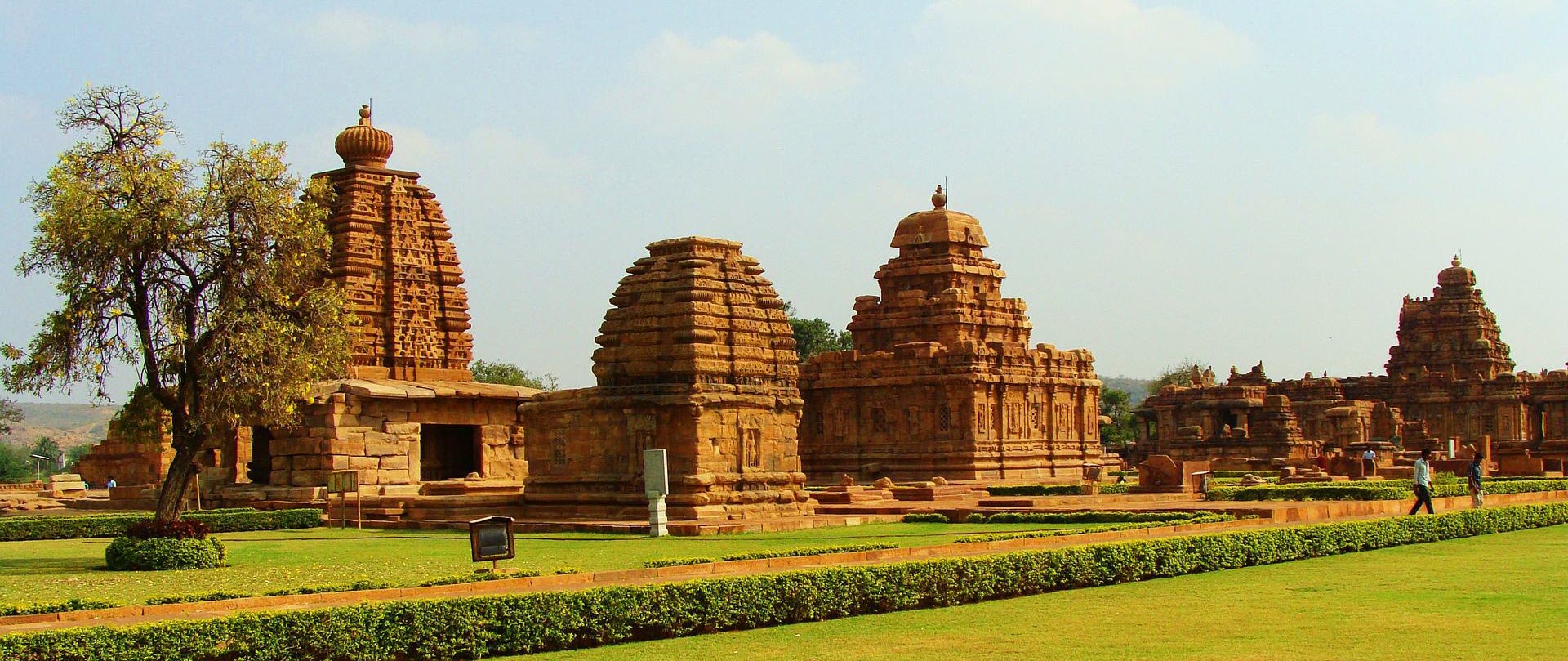
Located in south-western India, the state Karnataka borders the Arabian Sea to the west. Originally named Mysore, the state was re-named Karnataka in 1973.
Its largest city is the state capital Bangalore (Bengaluru), which has roughly 8 million residents in the city and another 3 million living in the surrounding metropolitan area. Bangalore is the third most populous city in India, after Mumbai and Delhi. Situated at an elevation of 900 metres above sea level, Banglore is known for having a fairly mild climate throughout the year – especially compared to Mumbai which is nearly at sea level.
How big is Karnataka?
Karnataka covers 191,791 square kilometres. This is less than 6% of India´s total area, but still enough to make Karnataka the sixth-largest Indian state by area. (India is comprised of 28 states and 8 Union territories.)
Day trading in Karnataka
More and more people in Karnataka are getting access to high-speed internet and are discovering the financial opportunities that the internet provides. There are a large number of different trading platforms that allow you to trade with stocks, commodities and currencies online. This allows more people the opportunity to invest their money in a productive way. It also allows more and more people to become active traders. You can read more about how to trade stocks and currencies by visiting daytrading.com. Daytrading.com is also a good website if you want to find a Stock, CFD or Forex broker in India. Make sure to read about several different brokers before you decide which one you want to register with. Choosing the best broker for you gives you the best chance to earn money.
Languages
Kannada is the most widely spoken and official language of Karnataka. According to the 2011 census, over 66% of the residents were native Kannada speakers. Urdu, the second-largest language at the census, was the native language of less than 11% of the population, followed by Telugu at just below 6%. All the other minority languages all fell below the 4% mark.
Examples of minority languages in Karnataka are Urdu, Konkani, Marathi, Sanskrit, Tulu, Tamil, Telugu, Malayalam, Kodava and Beary. Notably, Karnataka is home to some of the very few Indian villages where Sanskrit is the primary spoken language.
In Karnataka, Urdu is the main language of the Muslim populations living outside the coastal region. Urdu has been described by linguists as a “Persianized-standard register of the Hindustani language”.
The language Kannada
- Kannada, also known as Kanarese, is a Dravidian language spoken predominantly in Karnataka. Dravidian is one of the world´s primary language families.
- Written Kannada has existed for at least 1500 years, and the language has an unbroken literary history of over one thousand years.
- Today´s Kannada is written using the Kannada script, which is derived from the Kadamba script.
- In addition to being the largest primary language in Karnataka, it is also spoken as a second or third language by approximately 13 million Karnataka residents.
- World-wide, approximately 57 million people speak Kannada as their first, second or third language.
- Several powerful dynasties in southern and central India had Kannada as their court language.
- Kannada played a crucial role in the establishment of Karnataka as a state after Indian independence in the mid-1900s. It is the official and administrative language of the state of Karnataka, and one of the scheduled languages of India. The government of India has designated Kannada as one of the classical languages of India.
- In 2011, a centre for the study of classical Kannada was created in Mysore, as a part of the Central Institute of Indian Languages.
Festivals in Karnataka
Examples of major festivals celebrated in Karnataka:
- Mysore Dasara, which is the Nadahabba (state festival) for Karnataka
- Bangalore Karaga, which is celebrated annually in central Bangalore and have strong ties to the Thigala community. The traditional occupation for the Thigalas is growing flowers and vegetables.
- Ugadi (Kannada New Year)
- Makara Sankranti (a harvest festival)
- Ganesh Chaturthi
- Gowri Habba
- Ram Navami
- Nagapanchami
- Basava Jayanthi
- Deepavali
- Balipadyami
Mysore Dasara
Mysore Dasara is the Nadahabba – state festival – of Karnataka. It is is a Hindu festival which celebrates the victory of good over evil; or more precisely the Goddess Chamundeshwari (Durga) defeating the demon Mahishasura. In Hindu tradition, this victory is what gave name to the city Mysuru (Mysore).
Mysore Dasara is celebrated for ten days. The first nine days are known as Navarati, while the final day is Vijayadashami. Since the celebrations follow the Hindu calendar, they don´t have fixed dates in the Gregorian calender. The fixed date is the 10th day of Ashvina, which can fall in either September or October.
As a part of the festival, the state sword and other weapons are displayed along with symbols of the Hindu Devi goddess in her warrior form. The King of Mysuru presides over several ceremonies and a big procession.
Geography and climate
Three main zones
Geographically, Karnataka is divided into three principal zones:
- The coastal region, which includes both Karavali and Tulu Nadu
- The hilly Malenadu region, which includes the Western Ghats (the Sahyadri Mountain range)
- The Bayaluseeme region, which includes the arid plains of the Deccan Plateau. This zone, which is found in northern Karnataka, makes up most of the state.
Climate
Karnataka has four season:
- January and February are known as the winter season.
- March – May is summer season.
- The summer season is ended by the start of the monsoon season. The monsoon season is in June – September.
- The post-monsoon season lasts from the end of the monsoon (typically in late September) to the start of the winter season early in the new year.
Karnataka´s average rainfall is 1,139 mm per year, but it is not evenly distributed across the state. The coastal zone, which is the wettest, gets over 3,600 mm in a normal year. The rainiest cities in Karnataka are Agumbe and Hulikal, which are both located in one of the world´s rainiest regions.
Agriculture in Karnataka is mostly not irrigated, which makes it highly dependent on receiving enough rain.
Weather temperature extremes
The highest temperature recorded was 45.6 °C (114 °F), recorded in the Raichuru district.
The lowest temperature recorded was 2.8 °C (37 °F), recorded in the Bidar district.
What is the highest point of Karnataka?
Rising 1925 metres above sea level, the Mullayanagiri hills in the Chikmagalur district is the highest point in Karnataka.
Rivers
The two main river systems of Karnataka;
- The River Krishna, with the tributaries Bhima, Ghataprabha, Vedavathi, Malaprabha and Tungabhadra in northern Karnataka.
- The River Kaveri, with the tributaries Hemavati, Shimsha, Arkavati, Lakshmana Thirtha and Kabini in southern Karnataka.
Most of the rivers in Karnataka flows to the east and eventually reaches the Bay of Bengal (outside Karnataka), which is the northeastern part of the Indian Ocean. There are some exceptions though – such as the Sharavati in Shimoga and theNetravati in Dakshina Kannada – which flow westward to the Arabian Sea.
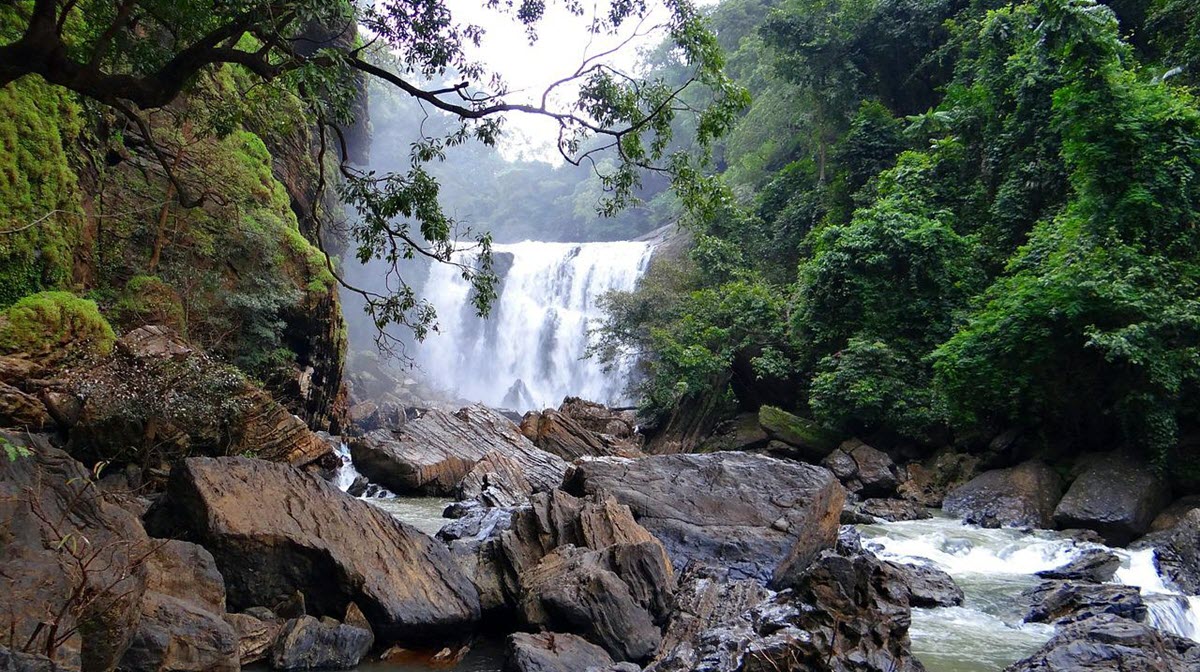
Forest
Roughly 16% of Karnataka is covered by forests. The forests are classified by five different designations: reserved forest, protected forest, unclosed forest, village forest, and private forest.