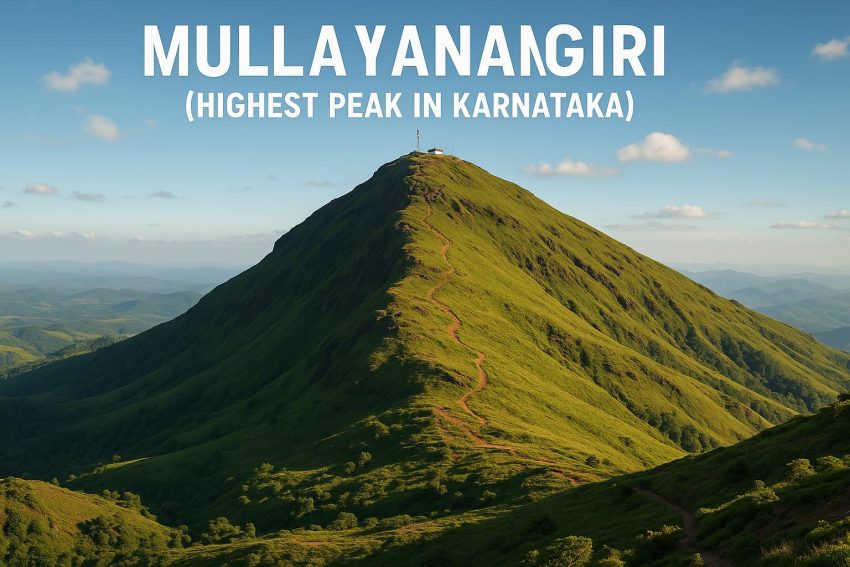
Mullayanagiri: The Pinnacle of Karnataka
Mullayanagiri, towering at an impressive height of 1,930 meters (6,330 feet), holds the distinction of being the highest peak in the state of Karnataka, India. This mountain is part of the Baba Budangiri Range of the Western Ghats, known for its rich biodiversity and striking landscapes. Its unique geographical and cultural significance makes it a must-visit destination for travelers and locals alike.
Geographical Significance
Located in the Chikkamagaluru district, Mullayanagiri serves as a prominent attraction for both trekkers and nature enthusiasts. The region is known for its lush green vegetation, serene coffee plantations, and mesmerizing clouds that often blanket the peak, offering an ethereal experience to visitors. The breathtaking views from the peak reveal the vast expanse of the Baba Budangiri Range, making it a perfect spot for those looking to immerse themselves in nature’s grandeur.
The geographical location of Mullayanagiri also makes it a watershed area. The rich forest cover plays a crucial role in maintaining the ecological balance of the region. These verdant forests are integral to the water cycle, ensuring sustained rainfall and supporting the local agrarian economy. Furthermore, the mountain’s location within the Western Ghats, a UNESCO World Heritage site, emphasizes the conservation importance of this natural landmark.
Climatic Conditions
The climate of Mullayanagiri is characterized by a cool and breezy environment, which is especially pleasant from September to May. During these months, trekkers and tourists enjoy clear skies and moderate temperatures, making it an ideal time for exploration and adventure. The Western Ghats’ influence on Mullayanagiri’s weather patterns results in a microclimate that supports a unique array of plant and animal life.
Monsoon season, spanning from June to August, brings heavy rainfall to the region, further enhancing its lushness and appeal. However, the trails during this period may become slippery and challenging for trekkers. Despite the wet conditions, the monsoon has its own charm, turning the entire landscape into a vibrant tapestry of green, punctuated by the soundtrack of rainfall and rustling leaves.
Unique Atmospheric Phenomena
One of the remarkable atmospheric phenomena experienced at Mullayanagiri is the formation of a sea of clouds below the summit. This occurs mainly during certain months when temperature inversions create a surreal vista, with the clouds stretching endlessly across the horizon. The phenomenon offers an awe-inspiring sight for photographers and nature lovers who are looking for a once-in-a-lifetime visual feast.
Flora and Fauna
The slopes of Mullayanagiri are home to diverse species of flora and fauna. The ecosystem includes a mix of alpine herbs, unique shrubs, and endemic bird species. This rich biodiversity not only supports local wildlife but also offers a captivating study area for botanists and zoologists. Species that are endemic to the Western Ghats can be found here, contributing to the region’s global environmental significance.
The trees and shrubs found on the slopes provide habitat and food for various species of birds, mammals, and insects. Rare orchids and medicinal herbs are some of the botanical treasures that thrive in this climate. These plant species are often subject to scientific research for their potential medicinal and ecological value.
Spiritual and Cultural Significance
At the summit of Mullayanagiri stands a small temple dedicated to Lord Shiva, attracting pilgrims and spiritual seekers. The temple, believed to date back centuries, adds a cultural richness to the mountain’s natural beauty. Many devotees undertake the trek to the peak for religious as well as recreational purposes. This fusion of spirituality and natural splendor enhances the cultural fabric of Mullayanagiri, making it an embodiment of Karnataka’s heritage.
The temple and its surrounding areas see numerous religious rituals and festivals, particularly during the annual Shivaratri festival. During this time, the mountain is adorned with colorful decorations and resonant with the sounds of chants and devotional music. Pilgrims from across the state and neighboring regions visit to pay their respects and participate in the joyous festivities.
Trekking Experience
For adventure seekers, trekking to the top of Mullayanagiri is a rewarding experience. The trail is a moderate trek that challenges enthusiasts with its rugged paths and steep ascents. However, the panoramic view offered at the summit makes the effort worthwhile, providing a sweeping vista of the Western Ghats and the lush valleys below. The journey is lined with ever-changing scenery, from dense forests to open grasslands, each showcasing the unique biodiversity of the region.
Trekking groups and local guides often organize tours to Mullayanagiri, ensuring that visitors have a safe and informative experience. They not only guide trekkers along the routes but also educate them about the local flora, fauna, and cultural history of the area.
Preparation for Trekking
Adequate preparation is essential for a trek to Mullayanagiri. Enthusiasts are advised to wear appropriate trekking gear, such as sturdy footwear and weather-appropriate clothing. Carrying essentials like water, snacks, and first aid kits is also crucial. It is recommended to start early in the morning to avoid the afternoon heat and to have ample time to enjoy the view from the top before descending.
Visitor Information
To ensure a successful visit to Mullayanagiri, it is advisable to plan your trip with the help of local guides who can offer insights into the best routes and safety measures. Moreover, respecting the environment by avoiding littering and adhering to conservation guidelines is crucial for preserving this stunning natural habitat. By taking these steps, visitors can help maintain the ecological integrity of the area while enjoying its natural beauty.
For those interested in exploring more about the region and planning a visit, numerous resources and guides are available online that provide detailed information about the trekking routes, accommodations, and local culture. Embrace the beauty and tranquillity of Mullayanagiri, a jewel in the crown of Karnataka’s natural wonders. A journey to this remarkable mountain is not only an adventure but also a chance to connect with the rich, diverse environment of the Western Ghats.
By approaching this trip with respect and care for nature and the local culture, travelers can appreciate the full spectrum of what Mullayanagiri has to offer, from its captivating landscapes to its deep-rooted spiritual tales. The endeavor promises an unforgettable experience that lingers in the heart and mind long after the journey ends.