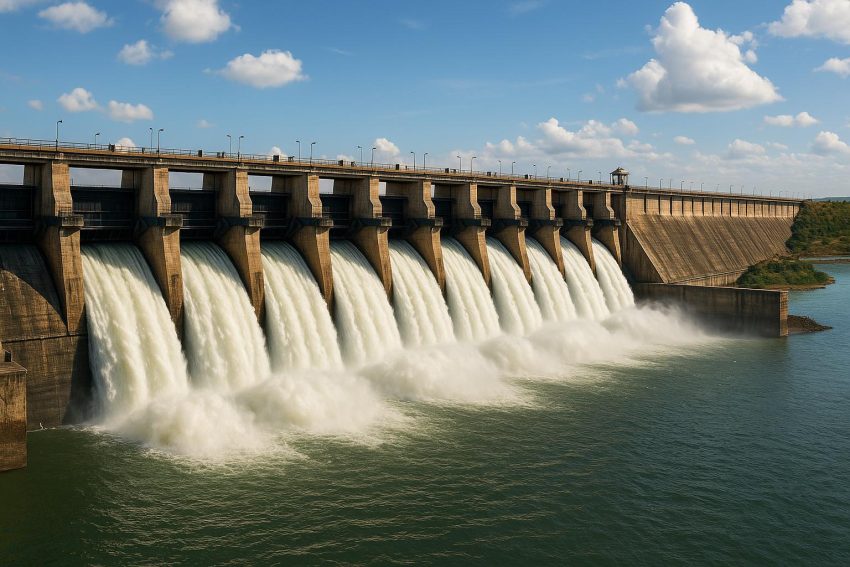
Overview of Almatti Dam
The Almatti Dam, an essential component of the Upper Krishna Project, represents a significant piece of hydroelectric and irrigation infrastructure situated in the northwestern part of Karnataka, India. Functioning primarily to harness the water of the Krishna River, the dam serves dual purposes: providing necessary irrigation benefits and generating electricity. Below, we expand on various aspects of the Almatti Dam, examining its construction, capacity, power generation capability, impact on agriculture, and the associated environmental and socio-economic considerations.
Construction and Capacity
Initiated in 1963, the construction of the Almatti Dam culminated in 2005. The dam stretches over an impressive length of approximately 1,560 meters and reaches a height of 52 meters. Such dimensions necessitated the use of concrete construction with an internal clay core, an integral feature for ensuring structural stability and resilience. This construction methodology ensures that the dam withstands environmental stress while maintaining its functional integrity.
The reservoir created by the dam, known as Lal Bahadur Shastri Sagar, boasts a storage capacity of around 130 TMC (Thousand Million Cubic feet) of water. Such a vast reservoir plays a crucial role in regional water management, facilitating the optimal distribution and utilization of water resources, especially in a region where water is a critical resource for agriculture and daily livelihoods.
Hydroelectric Power Generation
A pivotal aspect of the Almatti Dam is its capability for hydroelectric power generation. The dam is equipped with a power station housing five units, each capable of producing 55 megawatts of electricity. In total, the power station contributes significantly to meeting the local population’s energy needs, forming an essential pillar in the region’s energy supply strategy. This capacity not only supports the energy requirements of the local populace but also aids in industrial development, thereby fostering economic growth.
The electricity generated at the Almatti Dam reduces the reliance on fossil fuels, representing a shift towards sustainable and renewable energy resources. Aligning with global energy sustainability goals, the utilization of water for power generation encourages the adoption of eco-friendly energy solutions, supporting a reduction in carbon emissions and environmental pollution.
Irrigation and Agricultural Impact
Beyond power generation, the Almatti Dam is instrumental in supporting the agricultural sector in adjacent regions. The dam facilitates the efficient distribution of water resources to approximately 560,000 hectares of agricultural land. By ensuring a reliable supply of water, farmers can cultivate a variety of crops, bolster crop yields, and improve productivity.
The benefits extend beyond just increased crop output; the consistent water supply allows farmers to diversify their agricultural practices, leading to enhanced food security and stability in the region. The improvement in agricultural productivity generated by the dam supports the local economy, providing a sustainable livelihood for farmers and contributing to the socio-economic prosperity of rural communities.
Environmental and Socio-economic Considerations
Despite the numerous benefits the Almatti Dam provides, its construction and operation have raised certain environmental and socio-economic considerations. The creation of the reservoir led to the submergence of extensive land areas, disrupting local habitats and ecosystems. In addition to ecosystem changes, this submergence necessitated the relocation of several communities, impacting their traditional way of life.
Addressing these challenges requires concerted efforts in environmental management and social welfare programs. Rehabilitation programs aim to assist displaced communities, ensuring that they receive adequate support to rebuild their lives in new locations. Environmental management plans focus on minimizing the ecological impact, promoting biodiversity conservation, and enhancing the region’s ecological balance.
Conclusion
In summary, the Almatti Dam stands as a cornerstone of developmental infrastructure in Karnataka, providing essential services in hydroelectric power generation and irrigation. While it has become a linchpin in the region’s socio-economic advancement, ongoing efforts remain crucial in mitigating its environmental impacts. Through careful management and proactive initiatives, the Almatti Dam will continue to provide sustainable benefits that drive regional development while addressing ecological and social concerns.