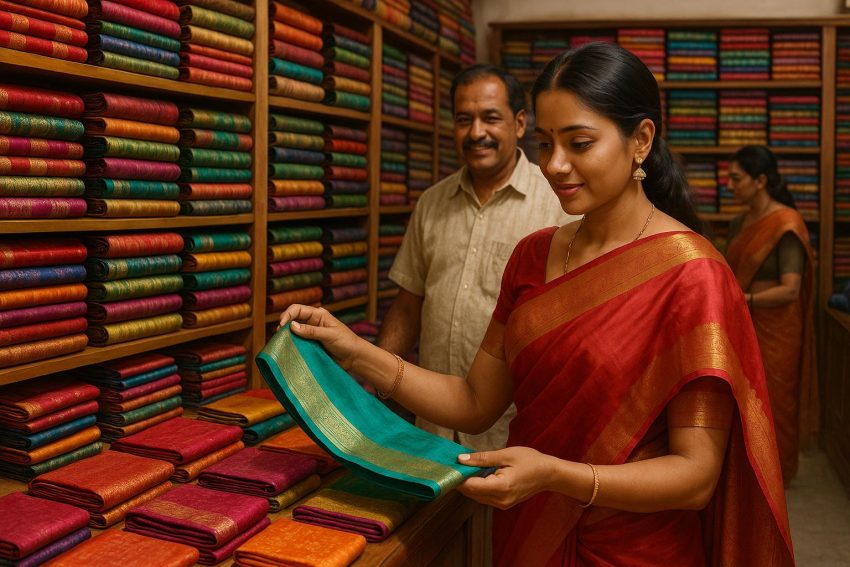
The Historical Significance of Silk in Mysore
The city of Mysore, located in the southern Indian state of Karnataka, holds a special place in the history and production of silk. Renowned for its high-quality silk products, Mysore silk is a significant cultural and economic asset to the region. The tradition of silk weaving in Mysore dates back several centuries, with historical records indicating the patronage of silk production by the royal family of Mysore, the Wadiyars. They were instrumental in promoting the craft, which has since become synonymous with the city itself.
The Craftsmanship and Quality of Mysore Silk
Mysore silk is acclaimed for its exceptional quality, characterized by its purity, durability, and a subtle sheen that adds to its luxurious appeal. The silk is produced from the mulberry silkworm, and the entire process from sericulture to weaving is carried out with meticulous care. The artisans involved in the weaving process are highly skilled, ensuring that each piece of silk fabric is crafted to perfection.
One of the defining features of Mysore silk is its traditional design and vibrant color palette. The use of pure gold zari further enhances its value, making it a popular choice for bridal wear and special occasions. The intricacies of the weaving process reflect the artisans’ expertise, and every creation tells a story of tradition meshed with artistic expression.
Where to Shop for Silk in Mysore
Mysore offers numerous destinations for purchasing authentic silk products. The Government Silk Weaving Factory is one of the most prominent places to witness and buy Mysore silk. This factory not only allows visitors to purchase silk garments but also provides the opportunity to learn more about the silk weaving process through guided tours that explain the lengths to which artisans go to ensure unmatched quality.
For those seeking a more personalized shopping experience, various retail outlets and boutiques in the city offer an exclusive range of silk sarees and garments. Each store offers unique designs that cater to different styles and preferences, allowing shoppers to find pieces that resonate with their tastes and occasions.
Another significant venue is the bustling markets and quaint shops scattered around the city. These establishments offer silk garments in a wide array of styles and prices. The Karnataka Silk Industries Corporation (KSIC) is one such place that has earned a reputation for genuine Mysore silk sarees. When visitors shop here, they not only acquire a high-quality product but also become part of the rich history that the silk industry represents.
Economy and Tourism Impact
The silk industry in Mysore significantly contributes to the local economy, creating employment opportunities and attracting tourists from around the world. The process of silk production, from cocoon to fabric, provides jobs to numerous individuals, from farmers who cultivate mulberry plants to skilled weavers who craft the final product.
Tourism intertwines with the silk trade as many visitors to Mysore indulge in purchasing silk as a cherished memento. Souvenir shopping becomes an experience beyond mere transaction, offering tourists a glimpse into a heritage that dates back centuries. This engagement not only enriches tourists’ travel experiences but also boosts the city’s cultural and economic stature.
The presence of silk shops and weaving facilities serve as an attraction for tourists interested in exploring traditional crafts. These sites offer a lens through which to view the fusion of historic practices with modern-day aspirations, adding another layer to Mysore’s already rich cultural landscape.
The Future of Silk in Mysore
Continuous efforts are being made to preserve and innovate the silk industry in Mysore. As the world evolves, so too does the methodology behind silk production. Efforts to maintain the integrity of silk crafting are complemented by initiatives aimed at enhancing production quality and adhering to sustainable practices that meet global standards.
Through collaborations with international textile entities and investment in contemporary weaving technology, Mysore’s silk industry positions itself for continued relevance on the global stage. Educational programs introduce new generations to age-old techniques while also encouraging innovative approaches that draw from both tradition and modernity.
With an enduring legacy and ongoing developments, the silk of Mysore continues to hold its esteemed position in the textile industry. As more people worldwide become conscious of sustainability and cultural exchange, Mysore silk is primed to meet these demands. Through a blend of aesthetic beauty and cultural depth, it remains a symbol of elegance, tradition, and modern innovation.
As this journey progresses, the city of Mysore stands firm as the custodian of its silk heritage, nurturing it with care, yet boldly venturing into the future with an eye towards both preservation and growth.