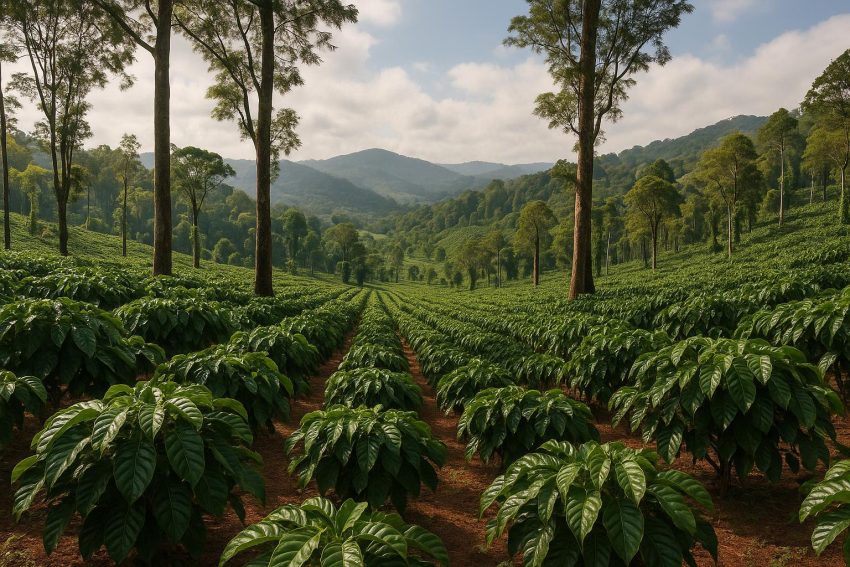
Coffee Plantations in Coorg and Chikmagalur
Coorg and Chikmagalur, located in the Indian state of Karnataka, are renowned for their extensive and flourishing coffee plantations. These regions are celebrated not only for their lush landscapes but also for their significant contribution to India’s coffee industry. Known for their unique geographical advantages and favorable climatic conditions, these areas have become pivotal in the cultivation of high-quality coffee beans. As such, the cultivation of coffee in this region holds tremendous cultural and economic significance.
Geographical Advantages
The geographical characteristics of Coorg and Chikmagalur play a crucial role in the success of their coffee plantations. In the case of Coorg, also known as Kodagu, its location in the Western Ghats bestows it with a tropical highland climate. This specific climate provides consistent and moderate temperatures conducive to coffee growth. The topography is varied, featuring both low-lying valleys and elevations that create diverse growing conditions suitable for various coffee plant varieties.
Chikmagalur, on the other hand, finds its place at the foothills of the Mullayanagiri range, celebrated as the highest peak in Karnataka. This elevation results in a climate that is equally conducive to coffee cultivation. The mineral-rich soil in these regions, paired with ample rainfall, is a combination that coffee plants thrive on, thereby producing coffee beans of substantial quality. The natural environment not only supports the thriving coffee industry but also underscores the ecological richness of the area.
Types of Coffee Grown
In Coorg and Chikmagalur, the primary varieties of coffee grown are Arabica and Robusta. Each type demands specific growing conditions, which these regions adequately provide. Arabica coffee is prized for its delicate flavor and smooth profile, often requiring cooler temperatures and a stable climate. The elevation and climate of Coorg and Chikmagalur are, thus, tailored to meet the needs of Arabica cultivation.
Conversely, Robusta coffee is appreciated for its robustness, including greater resilience to pests and diseases, besides a higher caffeine content. Robusta’s adaptability makes it suitable for the varied climate of these regions. Organic farming practices serve as an essential approach employed by many growers in these regions, aimed at enhancing the quality of coffee beans and reflecting the natural flavors of the soil and environment in the final product. These organic methods also ensure sustainability, allowing coffee plantations to continue thriving without depleting local resources.
Economic Impact
The coffee industry forms a cornerstone of the local economy in Coorg and Chikmagalur. These plantations offer employment opportunities to thousands of local residents, ranging from cultivation to processing and distribution. The ripple effect on the economy is considerable, encouraging ancillary industries such as packaging, processing, and exporting, which create numerous job opportunities alongside the primary work in the plantations.
Furthermore, many coffee estates have diversified into agro-tourism, carving out new and innovative economic pathways. By offering guided tours of their plantations and hospitality services such as homestays, they provide tourists with a unique experience of plantation life. These efforts enhance the economic viability of the estates and introduce additional revenue streams. Visitors can immerse themselves in the environment, learn about coffee cultivation processes firsthand, and enjoy the scenic beauty of the region.
Cultural and Environmental Significance
Coffee cultivation in these regions is deeply linked to the cultural fabric and traditions of the local communities. Many coffee estates in Coorg and Chikmagalur are family-owned, with generational heritage that lends a historical resonance to the landscape. These traditions have shaped unique cultivation techniques and seasonal rituals, preserving the cultural distinctiveness of coffee plantation practices.
From an environmental standpoint, these coffee plantations support rich biodiversity, serving as a sanctuary for various species of flora and fauna. The farming practices typically involve shade-grown coffee techniques, preserving the forest canopy and providing habitat for numerous bird species and wildlife. This eco-friendly approach helps conserve the environmental balance, contributing to efforts in preserving natural ecosystems. As such, coffee plantations do not just represent a significant agricultural endeavor but also an important ecological one, promoting sustainable agriculture practices that protect local wildlife and plant species.
The blend of economic viability, cultural heritage, and environmental conservation makes coffee plantations in Coorg and Chikmagalur models of sustainable agricultural practice. These plantations are more than mere agricultural sites; they are vibrant spaces of tradition, ecological richness, and economic vitality. For those interested in exploring more about these vibrant plantations, resources on regional studies and agricultural tourism provide an excellent avenue for further learning. Exploration of these resources can yield plentiful insights into the intricate dynamics of the coffee industry in this bucolic yet economically significant region.
For more detailed information about coffee plantations in Coorg and Chikmagalur, you may want to delve into resources covering regional plantation studies and agricultural tourism.