Overview
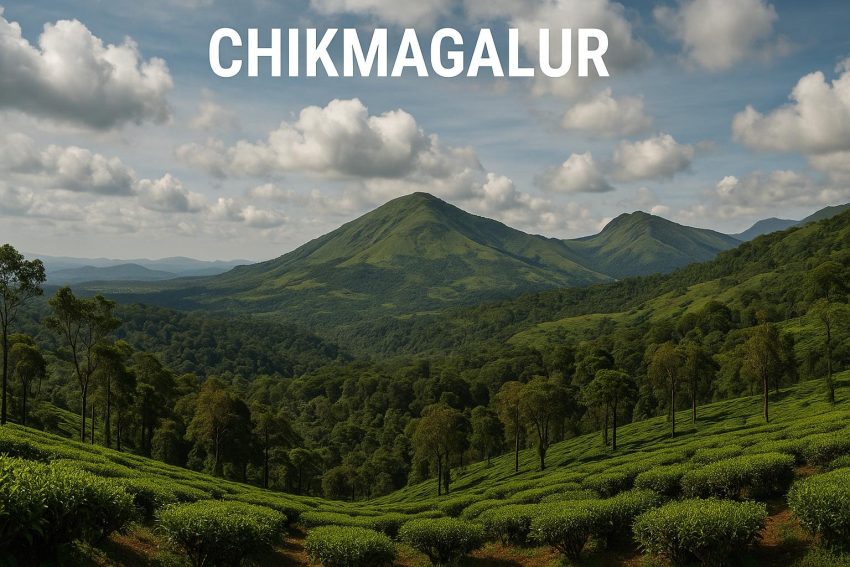
Chikmagalur is a beautiful district located in the state of Karnataka, India. Known for its serene landscapes and lush greenery, it attracts visitors for its picturesque coffee plantations and stunning hill stations. Situated in the Western Ghats, Chikmagalur is considered a prime destination for nature lovers and those seeking a peaceful retreat.
Geography
Positioned at an elevation of about 1,090 meters above sea level, Chikmagalur benefits from a moderate and pleasant climate throughout the year. The district, covering an area of 7,201 square kilometers, is bordered by Shivamogga to the northwest, Udupi to the west, and Hassan to the southeast. The Hemavathi river, an important tributary of the Kaveri river, flows through this region, adding to its geographical significance.
Climate
Chikmagalur experiences a moderate climate, with temperatures ranging from 11°C in winter to around 35°C in summer. The monsoon season, from June to September, is when the district receives a significant amount of rainfall, contributing to its lush green appearance. This makes it an ideal time for visitors interested in experiencing the region’s natural beauty.
Economy
Agriculture is the backbone of Chikmagalur’s economy, with coffee being the predominant crop. The district is renowned as the coffee hub of Karnataka, with sprawling estates producing Arabica and Robusta coffee. Additionally, other agro-products such as pepper, cardamom, and areca nut are also cultivated here. The presence of numerous coffee plantations has also encouraged a surge in tourism, contributing to the local economy.
Tourism
Chikmagalur offers a variety of attractions for visitors. The town of Kudremukh, with its rich biodiversity, is a popular spot for trekking and wildlife enthusiasts. The Mullayanagiri Peak, the highest peak in Karnataka, provides breathtaking views and is a favored destination for hikers.
Another attraction is the Baba Budangiri range, which is both a pilgrimage site and a trekking destination. The famous Hebbe Falls and Bhadra Wildlife Sanctuary are also notable sites in the vicinity. Chikmagalur is increasingly becoming a favored destination for those seeking to explore the natural beauty of the Western Ghats.
Connectivity
Chikmagalur is well-connected by road to major cities like Bangalore (approximately 250 km away) and Mangalore (around 150 km). The nearest airport is Mangalore International Airport, which is roughly 170 km from Chikmagalur. For those traveling by train, the Kadur Railway Station, located about 40 km away, serves as the nearest railhead.
For more information about Chikmagalur, you can visit official tourism websites or travel guides that provide detailed insights into what to expect when visiting this picturesque region.
Historical Background
Chikmagalur has an intriguing history that reflects the rich cultural tapestry of Karnataka. Legend suggests that the area was given as a dowry to the younger daughter of the legendary chieftain, Rukmangada, which is how the town got its name: ‘Chikmagalur,’ meaning the younger daughter’s town. The district has witnessed several dynasties, including the Hoysala dynasty, which has left a lasting architectural legacy in the form of temples and other historic ruins.
Cultural Aspects
The culture of Chikmagalur is a blend of traditional Kannada customs and influences from past dynastic rules. Kannada is the predominant language spoken by the local populace. Various festivals like Ugadi and Dussehra are celebrated with great enthusiasm and are key cultural events in the district. These festivals offer a glimpse into the vibrant traditions and customs cherished by the residents of the region.
Flora and Fauna
Chikmagalur is blessed with a diverse range of flora and fauna, owing much of its biodiversity to the Western Ghats. The region is a haven for many species of birds and wildlife, making it a perfect destination for nature and wildlife enthusiasts. The Bhadra Wildlife Sanctuary is an important conservation area that supports several endangered species, including the royal Bengal tiger, Indian leopard, and elephants.
The Coffee Culture
Coffee is not just an economic activity in Chikmagalur, but a significant cultural element as well. The coffee culture here dates back to the 17th century when Baba Budan, a revered Sufi saint, is believed to have smuggled seven coffee beans from Yemen and planted them on the slopes of Chandra Drona Giri. This was the beginning of coffee cultivation in India, and the tradition has flourished ever since. Visitors can explore numerous coffee estates that offer tours, allowing them to learn about the history of coffee and the processes involved in its cultivation and production.
Modern Amenities and Accommodation
Despite being known for its natural landscapes and traditional aspects, Chikmagalur also offers modern amenities and accommodations to cater to its visitors. There are a variety of options, from luxurious resorts to cozy homestays, offering comfortable lodging for different preferences and budgets. The hospitality in Chikmagalur stands out for making guests feel at home while providing an immersive experience of the local culture and traditions.
Sustainability Efforts
With the rise in tourism, there has been an increasing focus on sustainable and eco-friendly tourism practices in Chikmagalur. Many coffee plantations and tourist accommodations are adopting eco-friendly practices such as rainwater harvesting, solar energy, and waste recycling to minimize the environmental impact. These efforts ensure that the natural beauty and resources of Chikmagalur are preserved for future generations to enjoy.
Conclusion
Chikmagalur presents a unique blend of natural beauty, rich history, and cultural diversity. Whether it’s trekking through thick forest trails, exploring historical temples, or indulging in the rich aroma of coffee, visitors will find that this district offers a myriad of experiences. Its pristine environment coupled with the hospitality of the locals makes it a compelling destination for anyone looking to explore the tranquil and culturally abundant side of India. For further details on planning a visit, you can consult available travel resources online or contact local travel agencies for a well-curated experience tailored to individual interests.