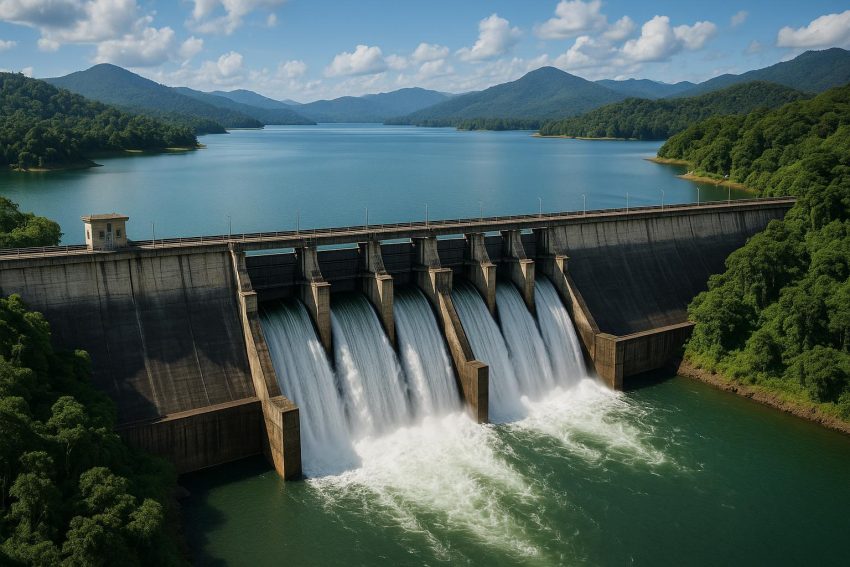
Bhadra Dam Overview
The Bhadra Dam is a significant piece of multipurpose infrastructure located in the picturesque Indian state of Karnataka. Rooted across the Bhadra River, a valued tributary of the Tungabhadra River, the dam serves several crucial functions encompassing irrigation, water supply, and power generation. This edifice symbolizes a harmonious blend of human ingenuity and natural resources aimed at serving the region’s diverse needs.
Location and Access
Positioned near the quaint town of Lakkavalli within the Chikkamagaluru district, the Bhadra Dam is well-connected by road networks, making it accessible for both locals and visitors. The nearest major town, Bhadravathi, lies approximately 30 kilometers from the dam, serving as a convenient point of access for those traveling to the site. The surrounding area of the dam offers breathtaking scenic views, nestled amid lush greenery that enhances its charm. For nature enthusiasts and explorers, the locale presents an opportunity to embark on a journey that blends technological marvel and natural beauty.
Structural Features
The structural anatomy of the Bhadra Dam, completed in 1965, mirrors a concrete gravity dam design – a testament to the engineering excellence of its time. Spanning a total length of roughly 1,700 meters, the dam ascends to an approximate height of 59.13 meters. This formidable structure incorporates multiple sluice gates, which are pivotal in regulating the water flow effectively. Such regulatory mechanisms are essential not only for the dam’s operational success but also in safeguarding it against potential hazards, thereby ensuring its long-term functionality and safety.
Reservoir Capacity
At the heart of the dam’s functionality lies the Bhadra Reservoir. This reservoir plays a quintessential role by storing an impressive volume of up to 2.09 billion cubic meters of water. This abundant capacity is instrumental in catering to a range of needs, from extensive agricultural irrigation endeavors to delivering a consistent water supply to the neighboring communities. The reservoir thus acts as a vital lifeline, underpinning the socio-economic framework of the region through its multifaceted utility avenues.
Irrigation and Agricultural Benefits
Primarily, the Bhadra Dam was conceived to augment agricultural endeavors through its irrigation capabilities. With its vast reservoir, the dam facilitates the watering of thousands of hectares of farmland that span across the Karnataka region. This irrigation support ensures that the agricultural sector can maintain its productivity levels, even in the face of erratic rainfall or extended dry spells. By promoting a consistent water supply to the farms, the dam aids in stabilizing food security and supporting the livelihoods of countless farmers and agricultural workers in the region.
Power Generation
Apart from its irrigation contributions, the Bhadra Dam also stands as a cornerstone for energy production within the region. The dam is home to a hydroelectric power plant skilfully engineered to harness the flow of the Bhadra River for electricity generation. This power plant substantially contributes to the local energy grid, offering a source of renewable and sustainable energy. By reducing reliance on fossil fuels and promoting green energy, the dam aids in driving the region toward a more sustainable future.
Environmental Impact and Conservation Efforts
The construction and day-to-day operations of the Bhadra Dam have exerted a considerable influence on the local ecosystem. Recognizing this impact, various ongoing conservation initiatives aim to mitigate any negative environmental effects. These initiatives encompass the introduction and propagation of native flora and fauna in the surrounding areas to preserve biodiversity. Additionally, water management practices are continually optimized to foster sustainability, ensuring that the dam’s ecological footprint is minimized while balancing human and environmental needs.
Tourism and Recreation
Amidst its functional attributes, the Bhadra Dam has emerged as a growing hub for tourism and recreation. With its enviable scenic locale, the dam and its encompassing areas are increasingly being recognized as a sought-after destination for visitors. Tourists can delve into a variety of activities such as bird watching and hiking, offering a perfunctory escape into nature. Moreover, educational tours are organized to provide insights into the dam’s operational dynamics, encouraging a synthesis of learning and leisure for visitors.
Conclusion
In summary, the Bhadra Dam transcends its role as a mere engineering construct; it embodies a critical resource that underpins agriculture, energy production, and the regional water supply framework in Karnataka. Like many infrastructural endeavors of its magnitude, the dam necessitates consistent monitoring and adept management to continue fulfilling the population’s needs while maintaining an equilibrium with ecological considerations. For individuals seeking more exhaustive insights, resources such as regional environmental studies or local government sites can offer a wealth of detailed information.