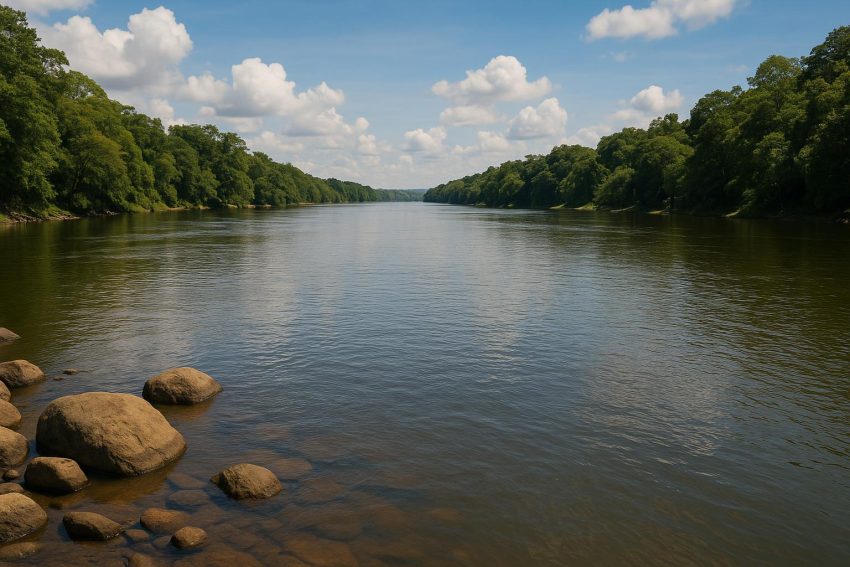
Introduction to the Kabini River
The Kabini River stands as a critical watercourse in the southern part of India, offering indispensable support to the region’s geographical and ecological makeup. Its journey begins in the Western Ghats of the Wayanad District in Kerala. From this point, it meanders through the state of Karnataka, eventually merging with the expansive Cauvery River system. This seamless integration into the larger river network highlights Kabini’s importance in the broader hydrological tapestry of southern India.
Geographical Significance
The reach of the Kabini River spans numerous districts, prominently Wayanad in Kerala and Mysore in Karnataka. As it courses through these regions, it notably creates a natural demarcation line between the states of Kerala and Karnataka for a significant portion of its journey. This boundary is more than just a physical separator; it plays a vital role in the agrarian landscape of the area. The fertility imparted by the Kabini River to the surrounding lands enhances agricultural productivity, thereby supporting the livelihoods of countless farmers and local communities. The silt deposited by the river during its flow enriches the farmland, fostering the growth of diverse crops that are essential to the economy and food security of the region.
Tributaries and Confluence
The increase in volume and flow of the Kabini River is predominantly influenced by its tributaries. Among these, the Panamaram and Mananthavady rivers are the primary contributors. These tributaries bring additional water, enhancing the river’s capacity and making it a formidable force in the landscape of the region. The confluence of the Kabini with the Cauvery River near the town of Nanjangud in Karnataka marks an important hydrological junction. This juncture is crucial not just for the natural flow of water, but also for managing water distribution across states, supporting both ecological balances and human use.
Ecological Importance
The basin of the Kabini River hosts a rich diversity of flora and fauna, contributing significantly to the region’s ecological fabric. Within this basin is the Kabini Wildlife Sanctuary, which serves as an integral part of the larger Nagarhole National Park. The sanctuary thrives due to the sustenance provided by the river’s ecosystem. Home to a plethora of species including majestic elephants, elusive tigers, and a variety of bird species, the sanctuary stands as a critical ecological zone. Such biodiversity highlights the importance of the river in maintaining the ecological equilibrium, supporting not only the local wildlife but also the wider environmental health.
Hydroelectric Projects and Irrigation
In addition to its ecological and geographical significance, the Kabini River is pivotal in the domain of hydroelectric power generation and irrigation infrastructure. At the heart of water management efforts is the Kabini Dam situated near the village of Beechanahalli in Karnataka. This dam is a cornerstone of local and regional initiatives aimed at leveraging water resources for energy and agriculture. The reservoir created by the dam plays a vital role in irrigating extensive swaths of agricultural land, ensuring water availability for crop production. Furthermore, the regularization of the river’s flow helps in flood control and sustains communities dependent on the river for their daily needs.
Challenges and Conservation Efforts
Despite the indispensable role of the Kabini River, it confronts several challenges that threaten its vitality. Pollution is a significant issue, primarily arising from agricultural runoff and industrial wastes. Furthermore, deforestation in the catchment areas exacerbates soil erosion, diminishing the river’s health. Additionally, disputes over water allocation between Kerala and Karnataka underscore the broader regional challenges in cooperative water management. Conservation efforts, spearheaded by local authorities and NGOs, are underway to mitigate these issues. Initiatives focus on pollution control, afforestation drives, and advocating sustainable water management practices. The participatory approach involving local communities ensures that conservation efforts are grounded in local realities, aiming to protect the river’s ecosystem for future generations.