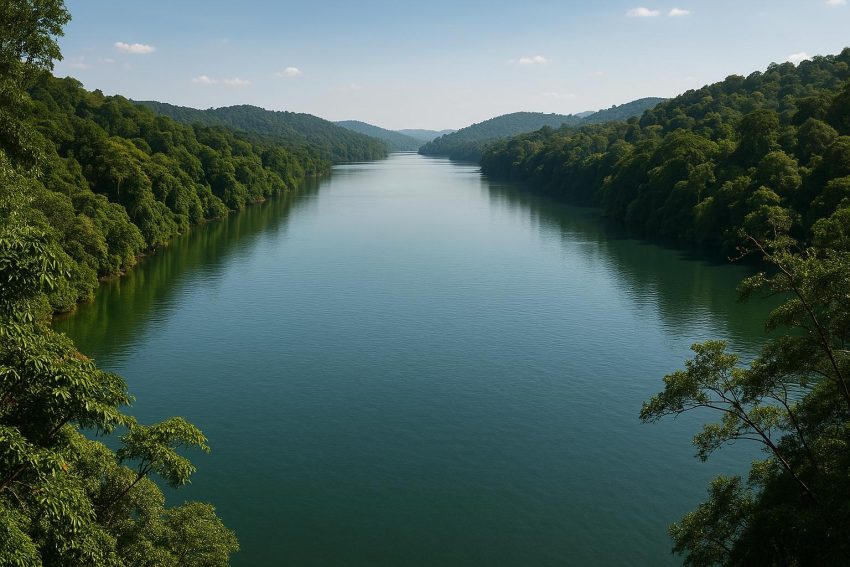
Introduction to the Sharavathi River
The Sharavathi River, a significant watercourse, is located within the Indian state of Karnataka. Originating in the lush Western Ghats, this river is renowned for its breathtaking landscapes that not only enhance the natural beauty of the region but also play a fundamental role in supporting the local ecosystem and economy. Its course through the state has made it a vital freshwater resource for a diverse range of flora and fauna while providing sustenance and energy to human settlements.
Geography and Course
Embedded in the lush greenery of the Western Ghats, the Sharavathi River begins its journey in the Shimoga district, meandering through thick forests and hilly terrains. As it carves its path through the landscape, the river extends over a distance of about 132 kilometers, before it culminates its journey and empties into the Arabian Sea at Honnavar. This transition from the dense forests to the expansive sea highlights the river’s dynamic interaction with its surroundings.
Important Tributaries
Along its course, the Sharavathi River is augmented by a network of tributaries. The most noteworthy among them are the Haridravathi and Hilkunji, both of which play a crucial role in contributing to the river’s flow. Originating from the same Western Ghats, these tributaries enrich the river, particularly during the monsoon season when rainfall is abundant. Their convergence not only increases the water volume but also influences the fertile nature of the river basin, which supports a wide variety of endemic species.
Role of Tributaries in Biodiversity
The confluence of these tributaries into the Sharavathi River contributes to the region’s ecological richness by creating diverse aquatic and terrestrial habitats. The varied water flow and the alluvial deposits foster an environment where both rare and common species of plants and animals thrive. This biodiversity is a testament to the ecological significance of the river system.
Significance of Jog Falls
Undoubtedly, one of the most striking features of the Sharavathi River is its formation of Jog Falls, which stands as one of the highest waterfalls in India. This natural spectacle serves as a major tourist attraction, drawing a vast number of visitors eager to witness its grandeur. With a stunning drop from a height of 253 meters, Jog Falls becomes an awe-inspiring sight, especially during the monsoon months when the Sharavathi River swells with rainfall, enhancing the waterfall’s vigour and beauty.
Tourism Impact
The allure of Jog Falls significantly boosts local tourism, which in turn supports the regional economy. Small businesses, ranging from hospitality services to local crafts, benefit from the influx of tourists. Therefore, the falls not only represent a natural wonder but also a source of livelihood for the local communities.
Hydroelectric Projects
Besides its natural beauty, the Sharavathi River is vital for power generation in Karnataka. The river is harnessed through several hydroelectric projects, with the Sharavathi Hydroelectric Project being one of the principal plants. Operational since the 1960s, this project plays an integral part in fulfilling the state’s energy demands, providing a renewable source of electricity that is pivotal for both urban and rural areas within Karnataka.
Renewable Energy Contribution
By generating significant amounts of hydroelectric power, the Sharavathi River supports efforts towards sustainable energy use. The project’s capacity to produce electricity without burning fossil fuels helps reduce greenhouse gas emissions, aligning with global sustainability goals. As such, the river contributes to both local and broader environmental initiatives.
Environmental Concerns
Despite its ecological and economic benefits, the Sharavathi River faces numerous environmental challenges. Activities such as deforestation, pollution from human settlements, and construction of dams pose threats to the river’s ecological balance. These actions can lead to habitat loss, alteration of the natural flow, and degradation of water quality, which in turn affect the river’s ability to sustain its rich biodiversity.
Human Impact
The expansion of agriculture, urbanization, and industrialization around the Sharavathi River basin increases pressures on natural resources. These human activities often result in the exploitation and pollution of water bodies, as well as the disruption of ecosystems. Consequently, maintaining the health of the Sharavathi River has become a critical concern.
Conservation Efforts
In response to environmental threats, comprehensive conservation efforts have been initiated by government bodies and non-governmental organizations. These initiatives aim to protect the unique biodiversity of the Sharavathi basin while promoting sustainable use of its resources. Key strategies include educational campaigns focused on environmental awareness, reforestation projects to restore natural habitats, and implementation of regulations to control pollution and manage resource extraction effectively.
Community Involvement
Community participation is vital in these conservation strategies. Local residents are encouraged to take part in safeguarding their environment through active involvement in conservation projects. By integrating traditional knowledge with modern conservation techniques, these efforts aim to build a sustainable future for the Sharavathi River and its surrounding ecosystems.
Conclusion
The Sharavathi River, with its scenic vistas and multifaceted benefits, stands as a crucial natural resource for the state of Karnataka. Not only does it provide water and support biodiversity, but it also facilitates hydroelectric power generation and attracts tourism through the magnificent Jog Falls. However, balancing these advantages with the need for ecological preservation requires ongoing efforts and conscious stewardship. Prioritizing sustainable development and protecting the river’s natural legacy is essential for ensuring that future generations continue to benefit from all that the Sharavathi River has to offer.